

Reflections on Child Development, Parenting, and Play

Holding Safety, Connection, and Hope: Child-Centered Play Therapy When Children Experience Domestic Violence

The Power of Choice: Helping Children Build Confidence, Independence, and Emotional Regulation
Giving children choices is a simple parenting strategy that can support emotional regulation, independence, confidence, self-control, and executive functioning skills. Just as importantly, it helps children feel heard, seen, and understood.

Beyond Tracking: Reflecting Intention and Understanding Themes in Child-Centered Play Therapy

Staying Centered: Using The Golden Thread To Develop CCPT-Aligned Treatment Plans

Back-to-School Anxiety: Helping Children Navigate Big Feelings
Back-to-School Anxiety: Helping Children Navigate Big Feelings
By Michelle Walker, LCSW, RPT-S
Back-to-school season is filled with big emotions.
For many children, it is an exciting time filled with new teachers, fun school supplies, seeing friends again, and the anticipation of new experiences. At the very same time, it can also bring worry, uncertainty, and anxiety. Whether your child is entering preschool for the first time, starting kindergarten, transitioning to a new school, or simply returning to a familiar classroom, these emotional experiences often coexist.

Dissociation in Children and Adolescents: Understanding Protection Through a Play Therapy Lens

When Parenting Feels Bigger Than the Moment: Understanding Complex Trauma, Patterns, and the Hope of Doing Things Differently
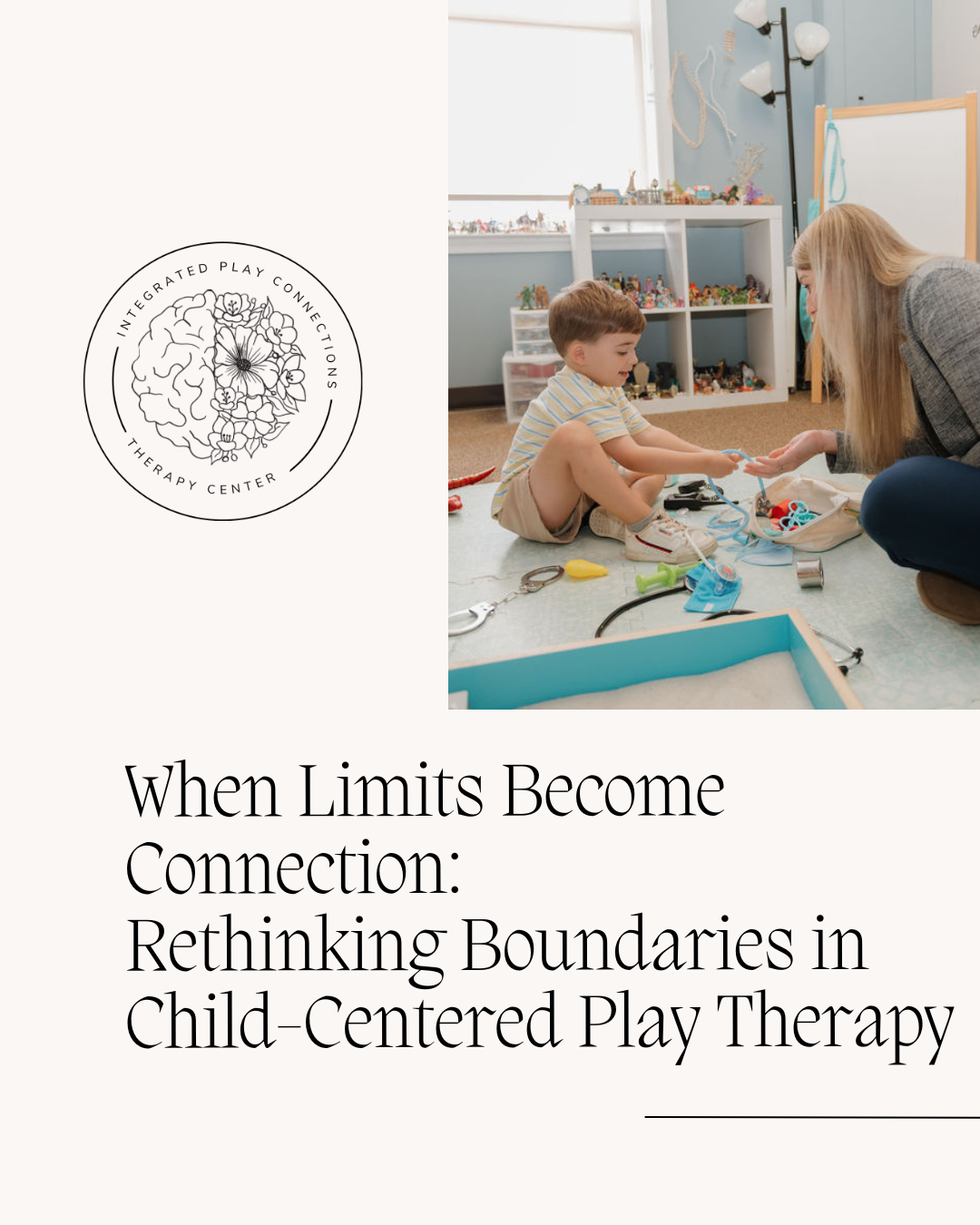
When Limits Become Connection: Rethinking Boundaries in Child-Centered Play Therapy

When “Bad Behavior” Is Actually a Nervous System Crying Out: Complex Trauma, Children, and Why Play Therapy Heals

Using a Neurobiological Lens in Child-Centered Play Therapy
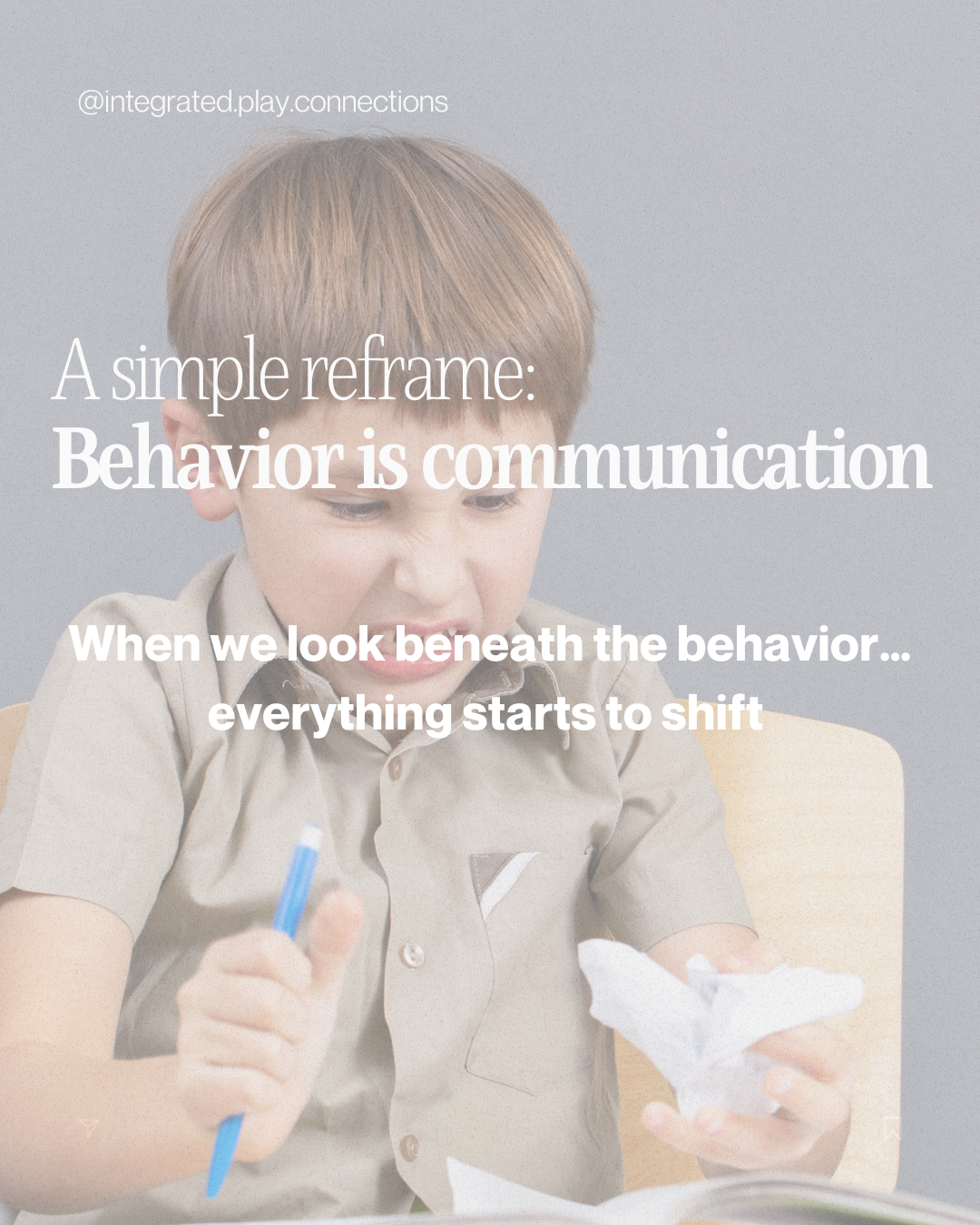
Looking Beneath “Defiance”: Understanding the Need Behind the Behavior
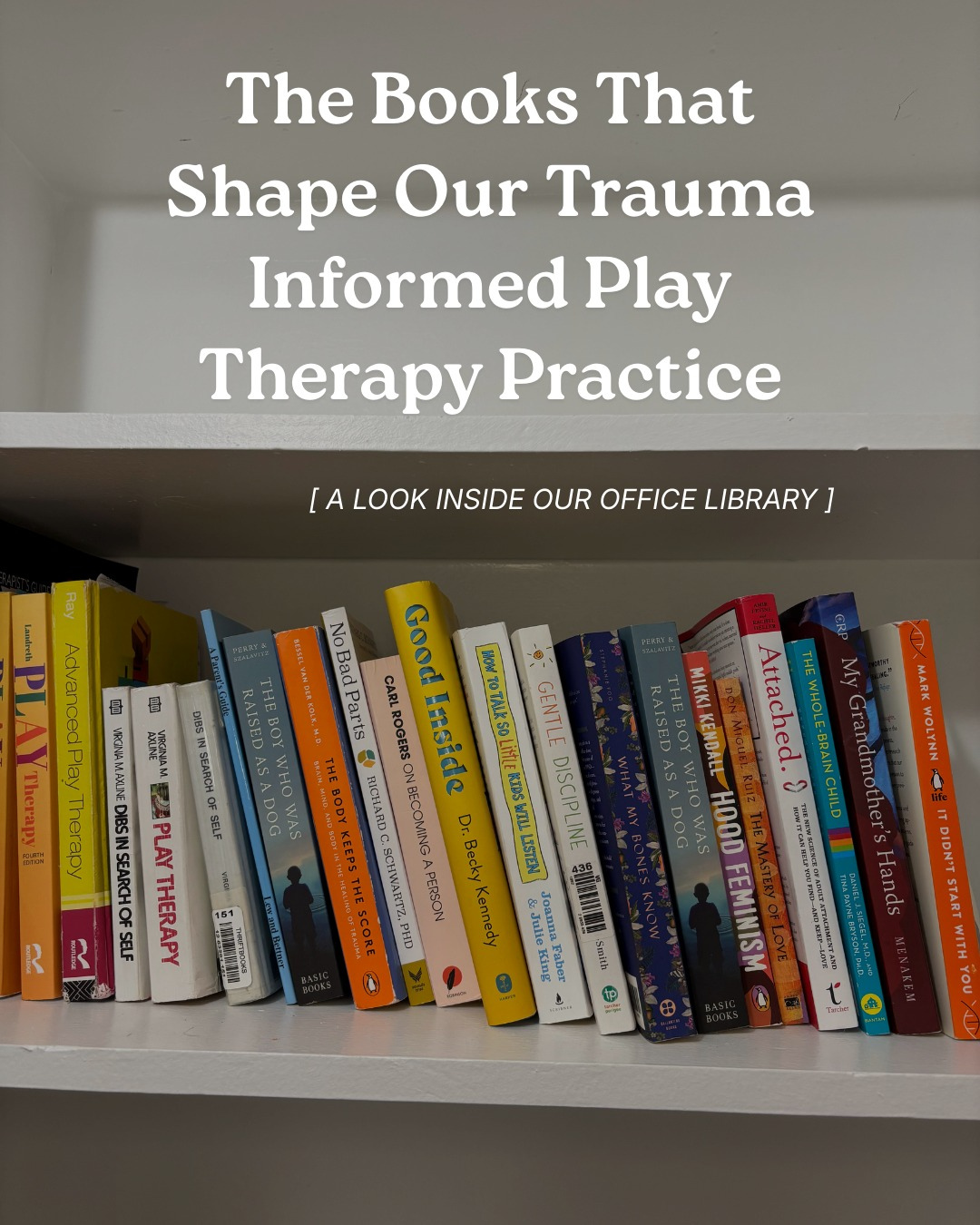
Why Therapists Must Keep Learning: The Role of Books in Trauma-Informed, Relational Therapy
Therapy is not a static profession. It calls us to keep learning, questioning, and deepening our understanding long after our degrees are earned. One of the most tangible ways we live that out in our practice is through the books that fill our shelves. They shape our clinical thinking, ground us in theory and research, and also serve as trusted resources we can thoughtfully recommend to parents and older clients when additional insight or support may be helpful.
These books have shaped how we understand trauma, attachment, nervous systems, relationships, and the broader cultural and societal contexts that influence mental health.

Translating the Language of Play: Conducting Child-Centered Play Therapy-Aligned Caregiver Consultations
Our hope is that through this blog, you will gain greater clarity and confidence as you enter parent consultations, approaching them as relational spaces rather than problem-solving sessions. By doing so, we aim to reduce some of the pressure that inevitably arises and support a more grounded, child-centered extension of the therapeutic relationship beyond the playroom. Caregiver consultations is the space where understanding, attunement, and trust are gently built. When the pressure to fix is softened, space opens for connection and collaboration to grow.

Starting a Practice: The Beautiful, Chaotic, Unexpected Journey
We decided to write this blog to pull back the curtain a bit and share what this experience has really been like for us thus far. You will notice in this blog, we switch between past and present tense, and at times we speak as individuals rather than the collective; this is purposeful because this journey is evolving and each of us has our lived parts of it in our own unique way.

High Conflict Divorce & Play Therapy
High conflict divorce (HCD) is a topic that can carry a lot of pain, stress, and complexity. Divorce itself is already a major life transition but when conflict is ongoing and intense, it can deeply affect everyone involved. This blog is not about blame, it is about understanding the dynamics, the challenges, and most importantly, the ways we can support children and families navigating these situations. My hope is that as you read this, you can hold both compassion and curiosity, remembering that behind every conflict are people struggling to cope with loss, change, and the hope for stability.
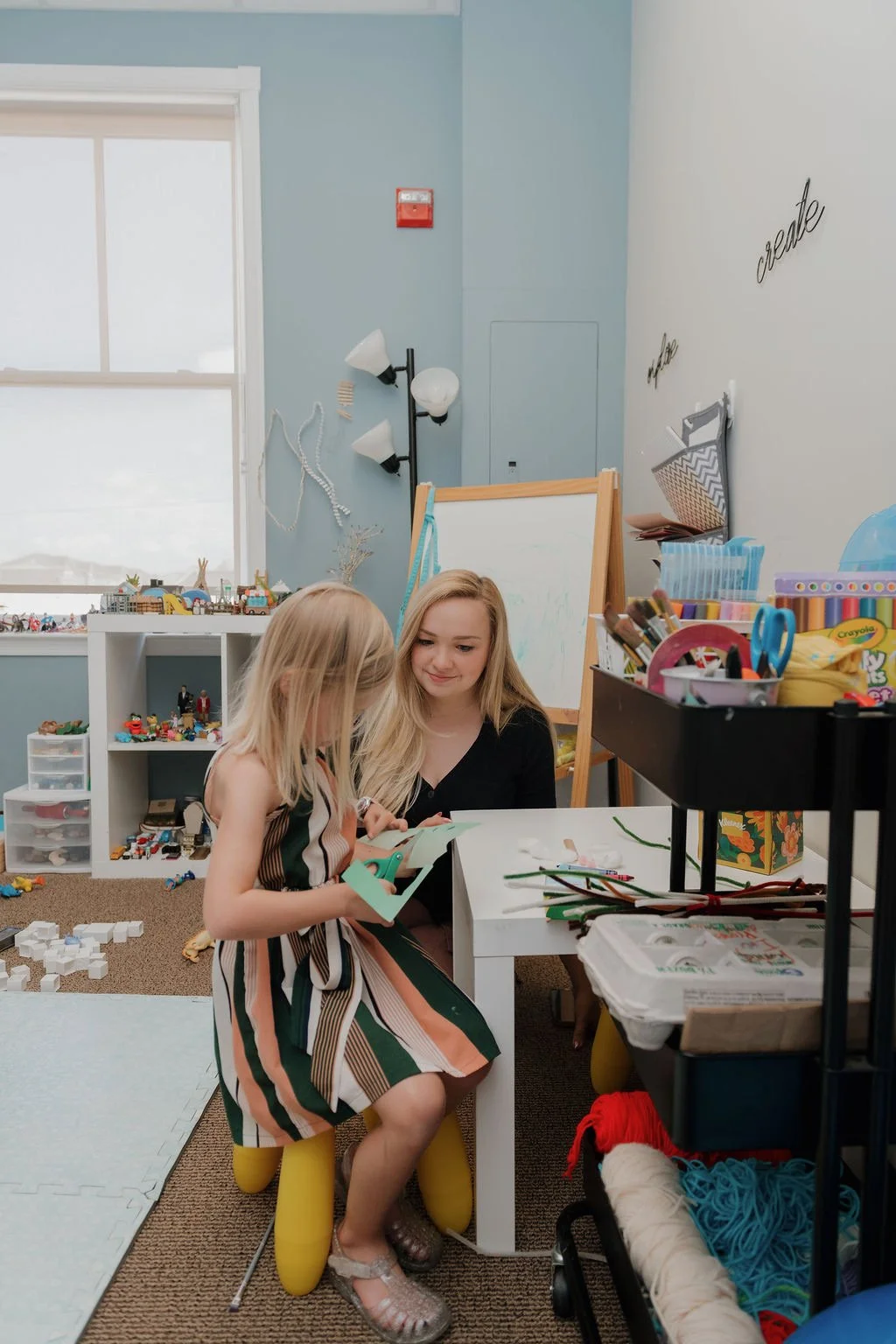
Helping Children Thrive at School with CCPT Principles
Teachers know that when emotions run high, learning often takes a back seat. That’s where Child-Centered Play Therapy (CCPT) principles can help. CCPT isn’t just therapeutic; it’s grounded in neuroscience and supported by research as a way to promote both emotional and academic growth (Blanco & Ray, 2011; Gaskill & Perry, 2014; Massengale & Perryman, 2021).

Understanding and Preventing Suicide in Young Children: What Every Caregiver Should Know

How Child-Centered Play Therapy Supports Children with Separation Anxiety
How Child-Centered Play Therapy Supports Children with Separation Anxiety
It’s developmentally appropriate for young children to feel uneasy when they’re separated from their caregivers, particularly under the age of 6, but for some kids, those worries may continue to intensify. Regardless of clinical presentation, tearful drop-offs, bedtime struggles, or constant clinginess can leave both parents and children feeling emotionally exhausted.
Read more about how Child-Centered Play Therapy can help children experiencing separation difficulties.

Building Emotional Resilience in Your Children at Home
When your child faces a hard moment like a conflict with a friend or a big change at school it is natural to want to protect them. The truth is, it is not about shielding our kids from challenges or difficult emotions. It is about helping them have the tools to navigate those moments with strength, flexibility, and support.
That is what emotional resilience is: the ability to adapt to change, handle uncomfortable emotions, and trust that they can keep going when things are hard.
The good news? You can help build that resilience in them, right at home. In the ways that you respond, connect, and create space for your child’s emotions.

Listening Beyond Words: How Play Helps Children Communicate Emotions
Children are always communicating, even when they aren’t using words. They express their thoughts and feelings through behavior, movement, and, most powerfully, through their play. While adults rely on language to process and share emotions, children turn to symbolism, imagination, and the creative freedom of play to work through what they’re feeling.