Does My Child Need Play Therapy? Signs It May Be Time to Reach Out
By: Holly Dudley, Resident in Counseling, NCC
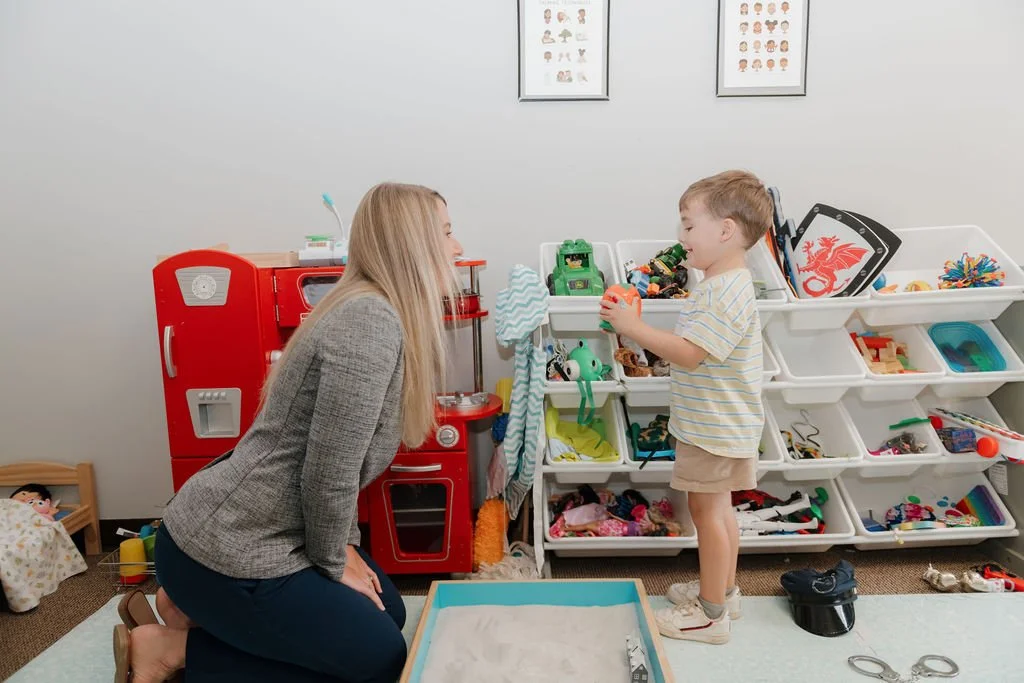
Most parents do not wake up one morning and think, My child needs play therapy.
Usually, it starts with something smaller. Maybe your child is suddenly crying before school, having bigger meltdowns, struggling at bedtime, asking for constant reassurance, or seeming more angry or withdrawn than usual. Sometimes there has been a clear change, like a move, divorce, loss, new sibling, or difficult school experience. Other times, you simply have the feeling that something is off.
That can leave parents wondering: Is this just a phase, or does my child need more support?
The answer is not always obvious. Children go through developmental changes, hard seasons, and periods where emotions run bigger than usual. But when a behavior becomes more frequent, more intense, or begins interfering with school, sleep, friendships, family life, or activities your child normally enjoys, it may be worth reaching out.
Children Don’t Always Use Words to Tell Us What’s Wrong
Adults often process difficult experiences by talking about them. Children are still developing that ability.
A child may know that something feels wrong without being able to say, I feel insecure with my friends, I am worried you are going to leave, or I feel overwhelmed at school and do not know how to handle it.
Instead, those feelings may show up in behavior.
Anxiety can look like clinginess, reassurance seeking, stomachaches, trouble separating, or needing to know exactly what is going to happen next. Overwhelm may look like anger, shutdowns, a need for control, or meltdowns over things that seem small to adults.
This does not mean every “difficult” behavior is a sign that a child needs therapy. What matters is the pattern and how much the behavior is affecting the child's daily life.
Signs Play Therapy Could Help
Every child is different, but there are some common signs that a child may benefit from extra support. You might notice that your child gets overwhelmed quickly, has a hard time bouncing back after disappointment, or needs a lot of reassurance to feel okay. They may seem more worried, more reactive, or less confident than usual. Some children start avoiding friends, activities, or places they used to enjoy.
Sometimes the changes show up in ways that seem like a step backward. A child who was sleeping on their own may suddenly need you there again. Toileting accidents, baby talk, or clinginess may return. You may also notice your child playing out or drawing the same scary or upsetting scene over and over.
Often, these changes follow a big life event like divorce, grief and loss, a move to a new school, a new sibling, or an experience that was frightening or hurtful. Other times, there’s no apparent clear reason at all. Your child just doesn’t seem quite like themselves. That alone can be enough reason to have a conversation with a therapist.
Children sometimes talk about death, dying, or getting hurt as they make sense of things they’ve seen, heard, or experienced and that doesn’t automatically mean a child is in danger. But, if something your child says or does worries you, it’s always worth taking seriously. If you’re unsure, you can call or text the 988 Suicide & Crisis Lifeline (988) or reach out to your local behavioral health community services department for guidance. If you’re worried about your child’s immediate safety, call 911 or go to your nearest emergency room.
Why Play Therapy?
Play is the way children naturally make sense of their world. It gives them a way to communicate and work through experiences they can’t yet put into words. In Child-Centered Play Therapy (CCPT), the therapist follows the child's lead rather than directing the session or asking the child to talk about difficult things before they are ready. The playroom becomes a place where the child can explore feelings, relationships, fears, control, competence, safety, and other emotional experiences at their own pace. Over time, patterns may begin to emerge in the child's play. We may see themes around separation, power, protection, nurturing, frustration, or confidence.
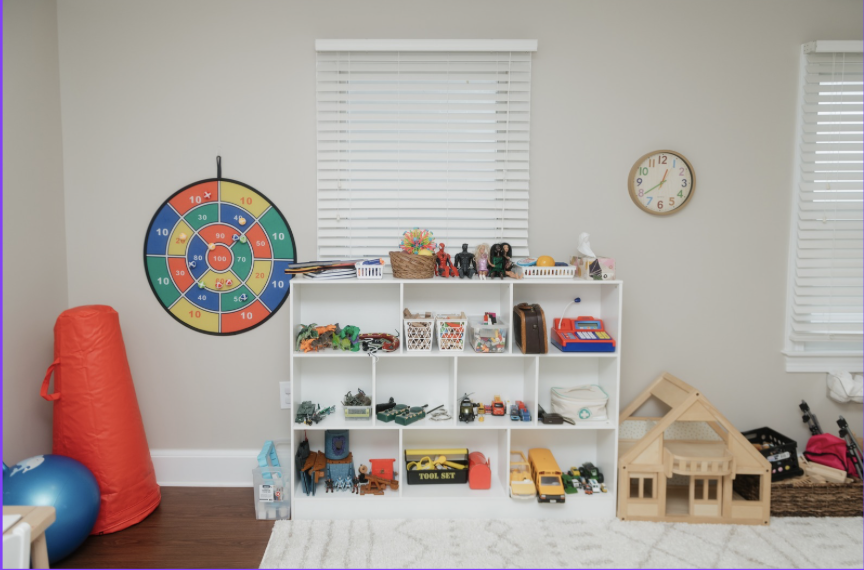
The goal is not to analyze every toy or assign a hidden meaning to everything a child does. Instead, we pay attention to recurring patterns while building a relationship in which the child feels safe, accepted, understood, and capable.
That relationship is the most important part of the work.
Does My Child Need a Diagnosis to Start Play Therapy?
No.
A child does not need a formal diagnosis before starting therapy. Some children come because of anxiety, emotional outbursts, separation difficulties, or school concerns. Others come because they are adjusting to a family transition or because a parent senses that they need additional support.
Sometimes parents know exactly what they are concerned about. Other times, they simply know that something feels different.
An initial conversation can help determine whether play therapy seems appropriate, whether another kind of support may be a better fit, or whether it would be helpful to involve a school or pediatrician as part of the bigger picture.
What Is the Parent’s Role?
Parents and caregivers are an important part of the play therapy process.
While the therapy session gives the child their own space, caregiver consultations allow us to talk about what you are noticing at home, changes you may be seeing, and ways to support your child outside of the playroom.
These conversations also help us look at behavior differently.
Instead of only asking, How do we make this stop? we are asking, What could this behavior be communicating?
That does not mean limits and expectations disappear. Children still need boundaries. The difference is that we can hold those boundaries while also becoming more curious about what may be happening underneath the behavior. Sometimes that shift alone can change the way a family understands what a child is going through.
What If I’m Still Not Sure?
You do not have to know for certain before reaching out.
It is completely okay to say, “I do not know if this is normal for their age,” or “Something feels off, but I cannot explain exactly what it is.”
Many parents hesitate because they worry that reaching out means something is wrong with their child.
It doesn’t.
Reaching out can simply mean that you are paying attention, noticing a pattern, and wondering whether your child might benefit from more support. Sometimes therapy is the right next step. Sometimes parent consultation, school collaboration, or another type of support makes more sense. The first conversation can help sort through that.
Play Therapy in Manassas, Virginia

Integrated Play Connections Therapy Center provides Child-Centered Play Therapy for children ages 3–12 in Manassas and surrounding Northern Virginia communities, including Gainesville, Haymarket, Bristow, Centreville, Chantilly, and Woodbridge.
We work with children experiencing anxiety, emotional outbursts, separation difficulties, school concerns, changes in behavior, family transitions, and other challenges that can be difficult for children to put into words. If you are wondering whether play therapy might be helpful for your child, know that you do not need to have everything figured out before reaching out.
Sometimes the best place to begin is simply: “Here is what we have been noticing. Do you think play therapy could help?”
If you’d like to talk with someone about your child, call us at (703) 249-6878 or fill out our online contact form https://integratedplay.clientsecure.me/contact-widget and someone from Integrated Play Connections will reach out within 1-2 business days to talk through your concerns and answer any questions you may have.